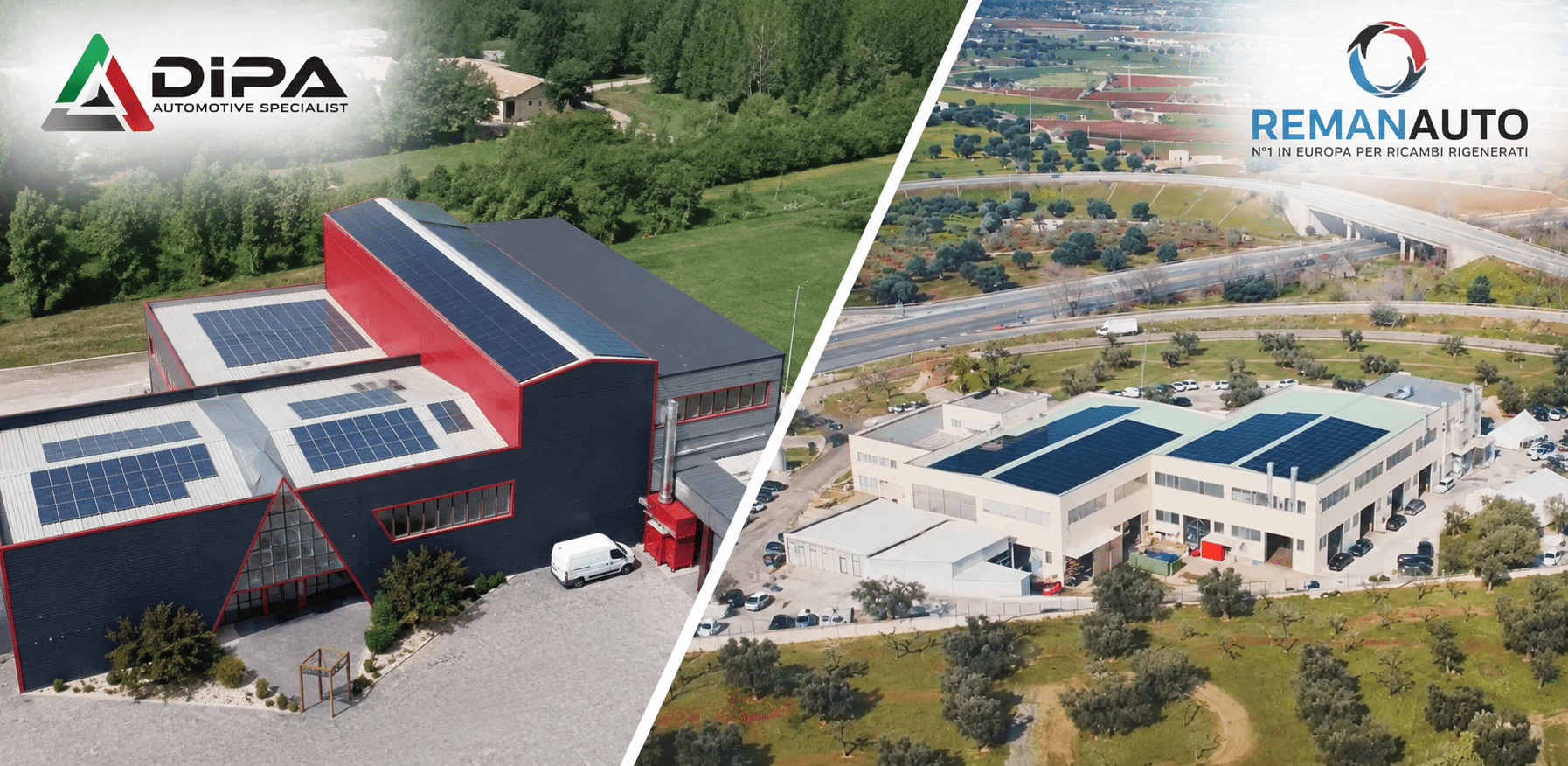
 DIPA Sport e RemanAuto
ELV, Testing Circular Economy Parts and the Dual Quote: Insights from DIPA Sport and RemanAuto
The new European ELV Regulation accelerates the use of circular economy parts, but raises new questions about testing, standards, access to data and traceability. To understand the challenges facing the aftermarket, we interviewed two key players in the sector, DIPA Sport and RemanAuto, who represent two different industrial approaches to the circularity of spare parts
The new European ELV Regulation accelerates the use of circular economy parts, but raises new questions about testing, standards, access to data and traceability. To understand the challenges facing the aftermarket, we interviewed two key players in the sector, DIPA Sport and RemanAuto, who represent two different industrial approaches to the circularity of spare parts
The new European Regulation on End-of-Life Vehicles (ELV) has now completed its legislative process. With it comes a profound change in the approach to the management of end-of-life vehicles and in the role that circular economy parts will be called upon to play in the European aftermarket. Among the most significant new features of the regulation is the future introduction of the so-called dual quote, which will make it increasingly common to offer, alongside a new spare part, a component sourced from the circular supply chain. A change that opens up new opportunities for the sector, but which also raises questions that will directly affect the work of workshops, parts dealers, fleets, insurers and, of course, motorists’ trust.
Until recently, the debate focused mainly on the environmental sustainability of component reuse; today the scope is widening. How can a simply used spare part be distinguished from an overhauled or remanufactured one? What checks will have to be carried out? Who will define the testing standards? How can traceability, access to technical data and fair competition between manufacturers and independent operators be ensured?
These are anything but theoretical questions. In fact, the legislation itself refers to the need for certain components to be checked, cleaned and, where necessary, tested before being placed back on the market, but still leaves open the issue of harmonizing the procedures and technical criteria that will have to accompany this transformation. To explore these issues – as part of the 6th Aftermarket Report by SICURAUTO.it – we gathered the views of two key players in the aftermarket supply chain, DIPA Sport and RemanAuto. Two companies that represent different industrial approaches to the circularity of spare parts, operating respectively in the overhaul and remanufacturing of automotive components.
Their answers offer an interesting insight into how the industry is preparing for a transformation that will redefine the relationship between sustainability, quality, safety and competitiveness in the European aftermarket.
📊
This content is part of SICURAUTO.it’s 6th Aftermarket Report, titled: “The Aftermarket in the Era of European Regulations: Opportunities, Constraints and New Specializations”.
The recently approved European ELV Regulation will increasingly drive the use of circular economy parts and the dual-quote approach in workshops. From your point of view, what will actually change for the aftermarket in the coming years?
DIPA Sport
With this latest draft, in the coming years, aftermarket turnover will increasingly shift from “new product” to “overhauled (circular service)”.
RemanAuto
The market will shift from a single-use model to maximizing the value of the product life cycle. The dual quote will turn the mechanic into a sustainability consultant and reward industrial partners capable of guaranteeing volumes, efficient logistics and quality equivalent to new.
Is there a risk that the dual quote will be perceived by the end customer simply as a choice between “cheap part” and “premium part”, without a real understanding of the technical differences? Won’t consumers naturally tend to choose a new product (probably Chinese) over a circular economy one, perhaps attracted by a longer warranty on the repair (2 years, mandatory for new products)?
DIPA Sport
The risk is real: consumers may prefer “cheap new” Asian parts, attracted by the 2-year legal warranty compared to 1 year for remanufactured ones. To avoid this, remanufacturers will have to offer quality, after-sales support and perhaps a warranty extended to 2 years.
RemanAuto
The risk is there if there is no clarity. An industrially remanufactured spare part (reman) is not a poor alternative, but a product with performance equal to a new OE part; the real battle against low-cost Asian parts is won by showing workshops that restored original engineering, often improved, certainly guarantees superior performance.
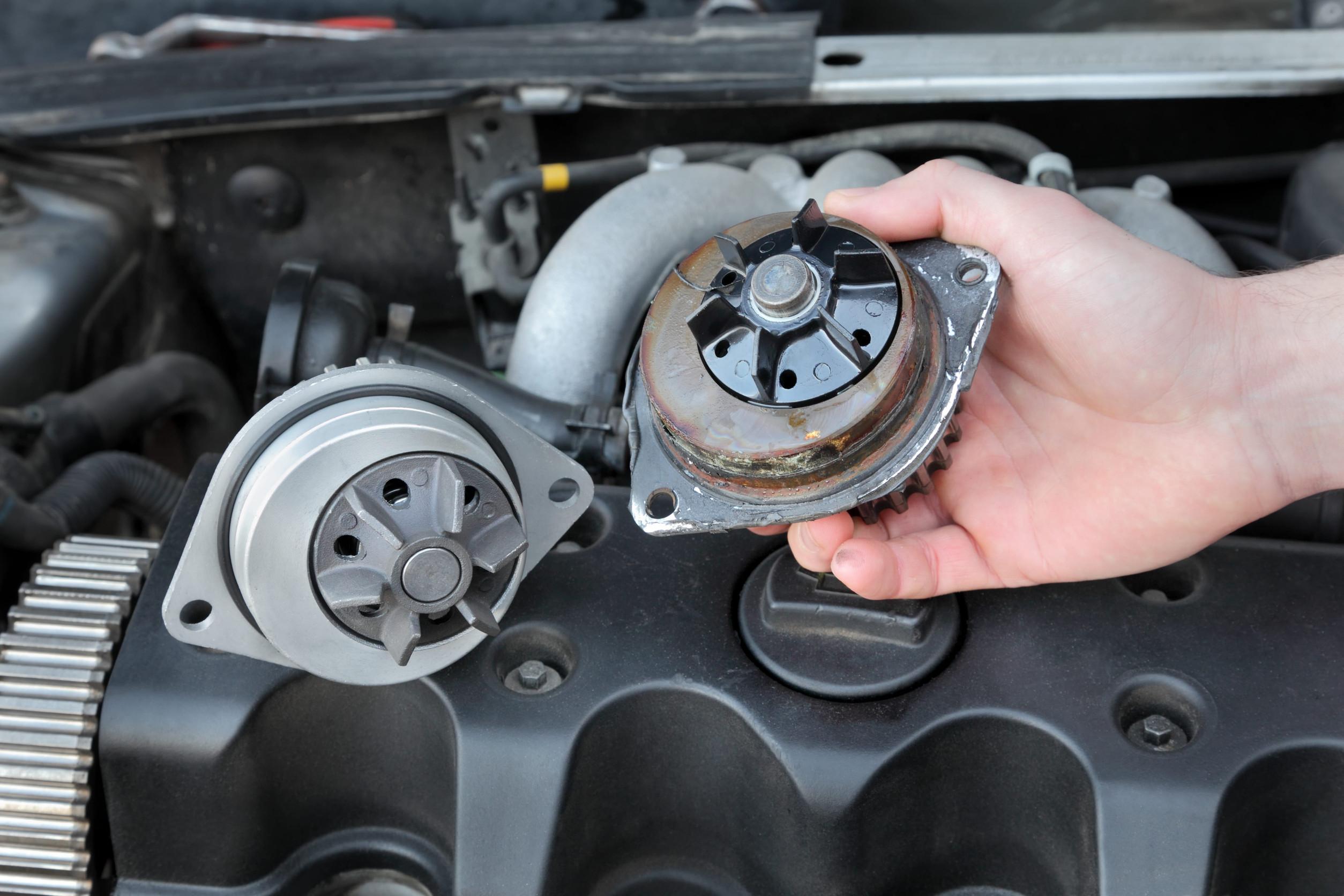
The new ELV legislation tends to group used, overhauled and remanufactured spare parts under the same circular economy logic. But from a technical and industrial point of view, how different are these products really?
DIPA Sport
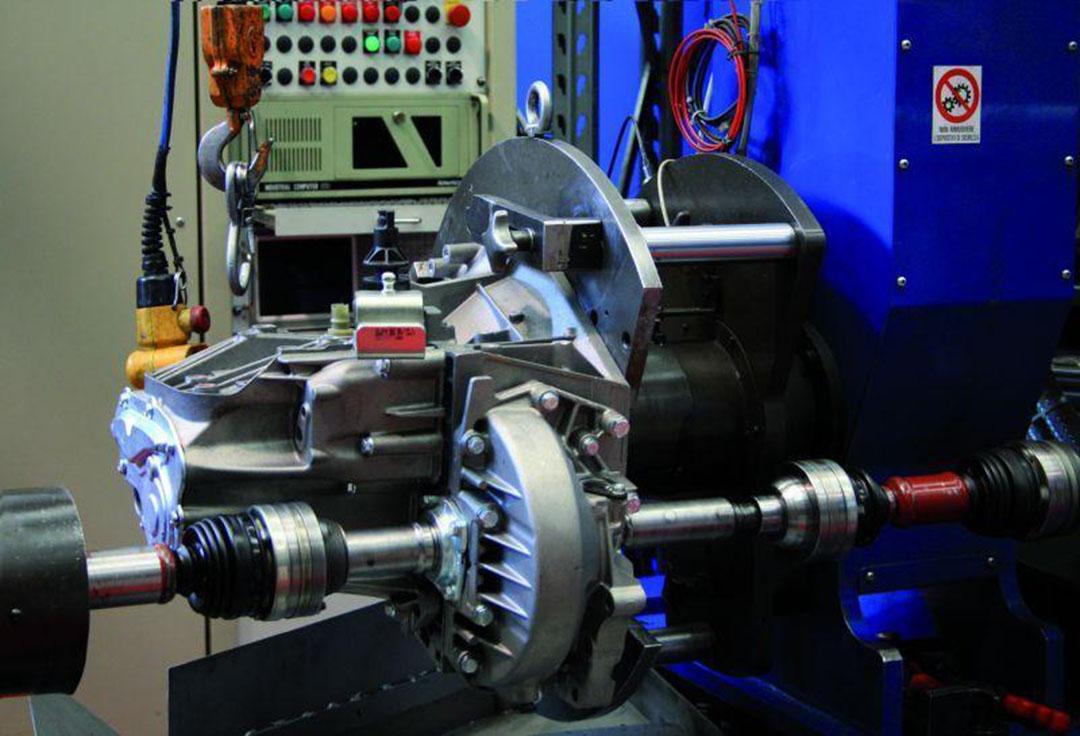
Although the legislation groups them together, they are industrially opposite products. Used parts are merely removed and cleaned, with an unknown residual life, whereas remanufactured parts are completely disassembled in the factory, restored to zero wear with new internal components and tested on a test bench, backed by a warranty and proven reliability. Putting them on the same level risks devaluing the high technological value of overhauled parts.
RemanAuto
They are opposite worlds. Used parts come from vehicle dismantlers without any checks; overhauled parts undergo a craft repair of the fault alone; remanufactured parts (reman) go through a complete industrial process that disassembles, upgrades and tests the component, restoring it to a condition equal to or better than new.
In the text of the ELV regulation, there is explicit mention of components that must be “checked, cleaned and, where necessary, tested” before reuse or remanufacturing. It is an important passage because it introduces the topic of testing, but today there are still no clear and shared European standards on how to test many circular economy components. How big is this regulatory gap in your opinion?
DIPA Sport
The regulatory gap is considerable. Without shared European standards and approved test methods, the definition of a “tested” part remains subjective, shifting all legal liability for safety onto the mechanic or remanufacturer. This gap creates legal uncertainty, slows down the adoption of the dual quote and risks encouraging unfair competition from operators who carry out only superficial checks instead of genuine industrial testing.
RemanAuto
The gap is enormous. The current wording of the draft is too vague and risks legitimizing components that have merely been cleaned; there is a lack of European standards setting out the types and methods of inspection, a gap that we fill by applying strict internal protocols.
Would it be important to establish shared European standards for inspection procedures, testing, traceability and classification of components? And above all: who should define these standards? Manufacturers, independent operators, certification bodies or the European legislator?
DIPA Sport
European standards must be defined by neutral technical committees (CEN/ISO) through a joint working group bringing together legislators, manufacturers and independent operators. Only public, open and shared standards will prevent carmakers from gaining a monopoly.
RemanAuto
A four-way collaboration is needed: the legislator must provide the legal framework, independent remanufacturers the process know-how, manufacturers the technical tolerance data, and third-party bodies (such as RINA or TÜV) must provide oversight through regular systematic assessments.
In a recent interview with RINA, it emerged that, in the automotive sector, the term “certified” is often misused, even when there are no independent checks or shared standards. What do you think the sector should do to introduce standardized tests that can help companies genuinely committed to quality stand out?
DIPA Sport
The sector must move from self-certification to independent process audits conducted by third-party bodies (such as RINA), based on European industrial standards. It is then necessary to create a protected quality label for qualified remanufacturers and integrate actual test-bench reports into the Digital Passport, making testing objective, transparent and traceable.
RemanAuto
We must move beyond generic self-certification by introducing third-party audits and making a dynamic digital test report mandatory for every single part. Anyone who cannot show scientific test-bench data should not be allowed to use the term “certified”.
The ELV regulation also mentions the need to ensure access to the technical information necessary for the repair, reuse and remanufacturing of components. How much does the difficulty of accessing manufacturers’ technical data weigh on independent operators like you today?
DIPA Sport
It weighs heavily: manufacturers’ IT barriers (Secure Gateway and proprietary VIN coding) are currently blocking second-life electronics, making remanufactured hardware unusable without a software unlock. The circular economy of mechatronics thus risks remaining the exclusive preserve of carmakers’ official networks.
RemanAuto
It weighs heavily in terms of time and investment. It forces us to reverse engineer to map components and derive nominal parameters, slowing down the development of the range on complex products such as mechatronics.
Do digital coding, component protection and cybersecurity measures risk severely limiting the future of independent remanufacturing? Do you have concrete examples of components that are impossible (or almost impossible) to work on due to software locks?
DIPA Sport
Yes, for example, some electric power steering racks (EPS), smart alternators and EV battery BMS modules are already almost impossible to reprogram due to the VIN lock (Component Protection).
RemanAuto
Yes, they are genuine protectionist barriers. Glaring examples are latest-generation steering columns, ABS/ESP units and automatic transmission mechatronics (TCU), where encryption and VIN coding lock down the software, preventing the exchange program from working and forcing us to remanufacture the customer’s own original unit, with all the obvious consequences for delivery times and vehicle downtime.
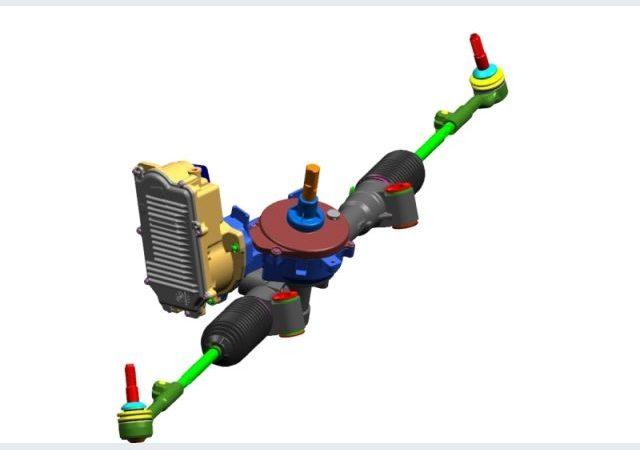
The new European ELV regulation indicates components that should not be reused unless specifically checked, such as airbags, seat belts, steering columns, immobilizers and safety systems. Do you agree with this approach?
DIPA Sport
Yes, from a public safety standpoint it is a sensible approach. Life-saving components such as airbags, pretensioners and steering columns are subject to chemical aging and invisible structural micro-cracks that a normal visual inspection cannot detect. Excluding them from direct reuse without specific destructive or industrial testing protects motorists’ safety.
RemanAuto
Absolutely YES, for the mere direct reuse of used life-saving or cybersecurity-related components from vehicle dismantlers. No! If a blanket ban is also applied to industrial remanufacturing: a factory-remanufactured steering column offers the same safety as a new one.
Who should define and carry out these checks? Workshops, specialist companies, independent bodies or authorized networks?
DIPA Sport
Checks will have to be carried out by specialized remanufacturing companies and high-tech Authorized Treatment Facilities (ATFs), but the protocols and final approval will have to be validated by independent certification bodies (such as RINA). Manufacturers’ authorized networks must not have a monopoly on checks, otherwise they would use safety as an excuse to block the independent aftermarket.
RemanAuto
The definition is up to legislators and independent bodies based on manufacturers’ data. The execution must be entrusted exclusively to specialized remanufacturing companies equipped with industrial test benches, excluding individual workshops (without suitable tools) and official networks (to avoid monopolies).
Are there components today that, in your opinion, should never be part of the reuse chain, regardless of the controls carried out?
DIPA Sport
Structural components related to passive safety and those subjected to extreme fatigue or invisible chemical wear should never be reused. These include airbag impact sensors (crash sensors), worn brake discs, hydraulic fluids and structural elements of the chassis that have undergone deformation, since their molecular integrity cannot be verified without destructive testing.
RemanAuto
Yes, all components that undergo chemical degradation or irreversible structural fatigue: pyrotechnic devices (airbags), friction materials (brake pads and discs) and light alloy suspension arms. These products must always be scrapped, without exception, for safety reasons.

What is missing in the market today to increase trust and credibility in circular economy parts? And what should be, in your opinion, the next step to prevent the automotive circular economy from growing without truly shared quality standards?
DIPA Sport
Today, the market lacks the certainty of independent control and a clear visual distinction between simply “used” parts and “zero-hour remanufactured” products. The next decisive step must be the issuance of an EU delegated regulation that imposes harmonized European technical standards (CEN/ISO) for test benches, linking the activation of the Digital Passport of the spare part to passing these certified tests. Only in this way will it be possible to prevent the automotive circular economy from growing like a deregulated jungle, transforming sustainability into an objective, safe and legally protected quality parameter.
RemanAuto
There is a lack of terminological clarity, tax incentives for green repairs and transparent data on CO₂ savings. The next urgent step is the introduction of the digital component passport: only by linking the double quote to a traceable standardized test will full market trust be achieved.