 Andrea Carluccio Haiki Cobat
ELV Regulation: Why and How End-of-Life Vehicle Rules Will Change the Entire Aftermarket
More traceability, more circular spare parts and new rules for vehicles, components and data: with Andrea Carluccio, Sales Director of Haiki Cobat, we analyze the current status and impact of the new ELV Regulation on dismantlers, spare parts dealers and workshops
More traceability, more circular spare parts and new rules for vehicles, components and data: with Andrea Carluccio, Sales Director of Haiki Cobat, we analyze the current status and impact of the new ELV Regulation on dismantlers, spare parts dealers and workshops
The new ELV (End-of-Life Vehicles) Regulation has now replaced the long-standing Directive 2000/53/EC and represents one of the most significant European measures for the future of the circular economy in the automotive sector. A topic that SICURAUTO.it has been following for some time: as early as the 4th and 5th Aftermarket Reports we highlighted how the revision of the legislation on end-of-life vehicles would not only affect the world of car dismantling, but would also have direct repercussions on workshops, spare parts dealers, distributors and, more broadly, on the entire aftermarket ecosystem.
Today, now that the legislative process concluded on 29 July, some of the changes likely to shape the coming years are coming into sharper focus: from greater traceability of components to the growing role of circular spare parts, the likely mandatory dual quote for repairs (new vs circular spare part) and the new balance of power between manufacturers, independent operators and end-of-life vehicle operators. To take stock of where the legislation stands and its possible effects on the supply chain, we put a series of questions to Andrea Carluccio, Sales Director of Haiki Cobat (a division of Haiki+) with the Cyclus network.
📊
This content is part of SICURAUTO.it’s 6th Aftermarket Report, titled: “The Aftermarket in the Era of European Regulations: Opportunities, Constraints and New Specializations”.
What are the main philosophical differences between the new ELV Regulation and the old Directive 2000/53/EC?
The new ELV Regulation represents a paradigm shift compared to Directive 2000/53/EC. The original Directive was conceived at a time when the main objective was to properly manage the end of life of the vehicle, reducing landfilling and the release of hazardous substances.
The new European text, on the other hand, fits squarely within the industrial strategy of the Green Deal and the circular economy: the vehicle is no longer considered just “waste to be treated“, but a genuine bank of materials and components to be kept in the economic cycle for as long as possible.
For this reason, the Regulation brings together two aspects: on the one hand, the design and approval of vehicles and, on the other, the proper management of their end of life. Future vehicles will have to be designed for easy disassembly, so that as much material as possible can be recovered and fed back into the manufacturing of new vehicles.
From a regulatory point of view, the transition from Directive to Regulation is crucial: the Directive left Member States leeway in transposition, whereas now the Regulation will be directly applicable and therefore much more uniform and stringent.
The main changes concern:
- introduction of the concept of extended producer responsibility through individual or collective systems (PRO – Producer Responsibility Organization);
- extension of regulatory obligations to vehicle categories currently excluded, such as heavy-duty vehicles, motorcycles, tricycles and light quadricycles;
- “circular” design obligations for car manufacturers and OEMs;
- increase in the use of recycled materials;
- greater digital traceability of components;
- promotion of reuse and remanufacturing;
- stricter controls on exports of used vehicles;
- stricter definitions separating used goods from waste.
At Cyclus we firmly believe – a conviction underpinning the program in which Haiki Cobat has invested in recent years – that this Regulation will mark a historic turning point for the role of the car dismantler: from a mere environmental operator to a key player in the circular supply chain.
What are the realistic timelines for the entry into force of the rules that will directly affect car dismantling centers and workshops?
Realistically, the timelines will be phased. Even after the final approval of the Regulation, many provisions will – as is usually the case with similar legislative processes – be subject to transitional periods, delegated acts and technical standards yet to be defined. For the car dismantling sector, we can reasonably expect an initial phase of documentation and digital alignment, followed by increasingly structured obligations, before reaching full maturity. We estimate that the whole process could take roughly 2 to 6-8 years.
Are there still points under negotiation that could significantly change the impact on the sector?
The general framework of the Regulation has now been defined and approved. The strategic direction has essentially been set. This is precisely what sets it apart from the past: as a European Regulation, the “parent” regulatory framework will be directly applicable and can hardly be overturned by individual Member States. The key question will therefore be how each country implements the European Regulation in practice, while remaining within the boundaries set by the EU text, and how each car brand will approach the legislation in every Member State where it operates.
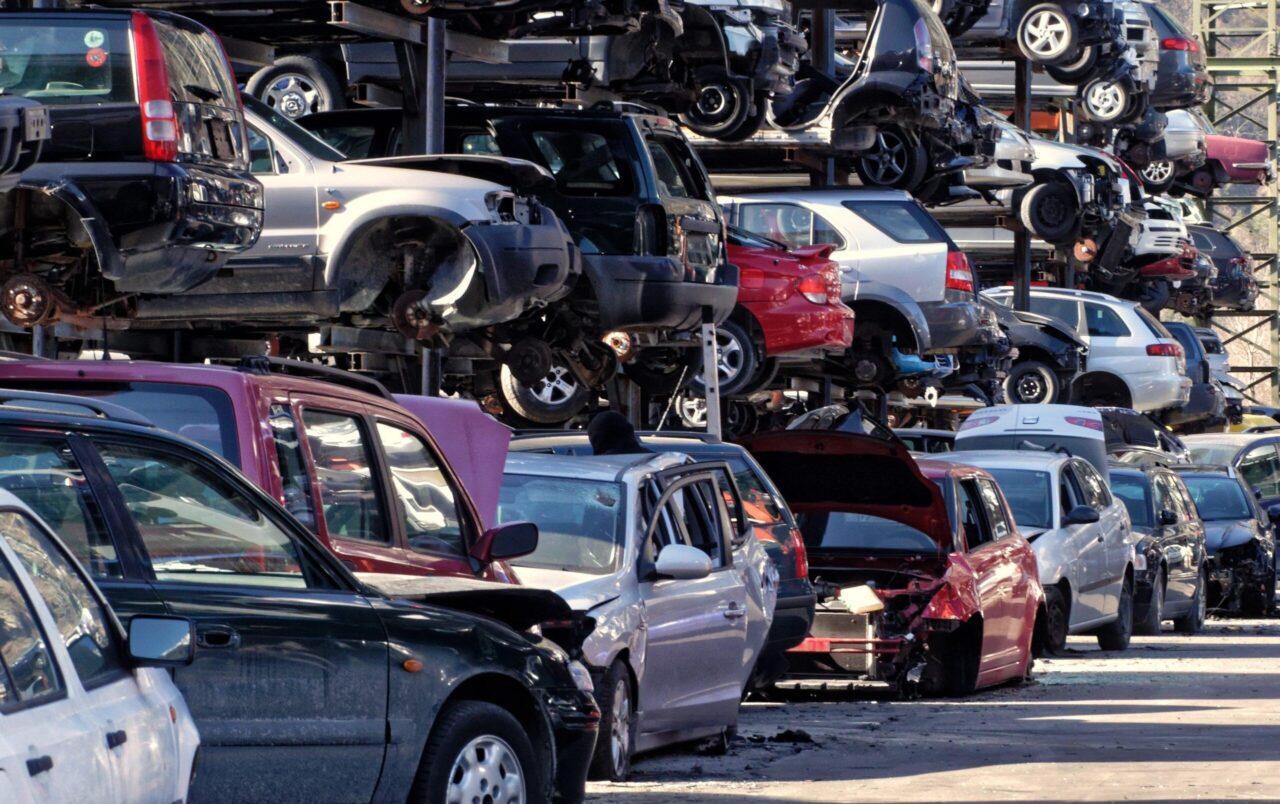
The Regulation was conceived with clear environmental objectives, but where could it create industrial or operational friction?
The main points of friction could emerge in four areas:
- Compliance costs: investments in digitization, traceability and data management will be significant, especially for SMEs;
- Operational difficulties: the distinction between a repairable vehicle and an ELV could generate disputes and slowdowns;
- Market concentration: there is a real risk of reduced competition, with the market consolidating around larger, better-organized operators;
- Access to data: control will need to be managed so as to avoid a loss of competitiveness and imbalances among the various players in the sector.
The Regulation introduces more stringent criteria to distinguish a “used vehicle” from an “end-of-life vehicle” (ELV). How will this affect the repair of old or severely damaged vehicles?
The new approach aims to combat illegal exports and opaque management of used vehicles, especially accident-damaged ones, but will inevitably also have effects on the repair market. For heavily damaged or economically marginal vehicles, technical and economic assessments could carry greater weight with regard to:
- documentation required to demonstrate repairability;
- requirements for the “second-hand market”, for example for vehicles that are not genuinely viable from a technical standpoint.
These changes could represent, for Italy as a whole, an industrial opportunity for companies willing to invest in the future: greater availability of recoverable components and greater transparency in material flows, which will tend to be more closely tracked and better aligned with manufacturers’ needs.
Is there a risk that these definitions excessively limit the freedom to repair?
Yes, the risk exists and the real challenge will be to find a concrete balance between safety, environmental sustainability, the right to repair and the affordability of mobility. The criterion for defining when a vehicle really becomes waste should not be exclusively economic, but also technical: a vehicle should not be classed as “end-of-life” simply because repairing it is not cost-effective relative to its residual market value.
The real battle is being fought precisely over these structural and paradigmatic aspects of the system, which should continue to respect the European waste hierarchy.

The Regulation promotes reuse, remanufacturing and reconditioning. What obligations are envisaged for repairers?
The European regulatory framework aims to encourage “circular preference“. For workshops, this will almost certainly translate – as is already evident in some cases – into an obligation to inform customers about available circular alternatives, greater transparency on the origin of components, traceability of installed parts, integration of circular spare parts into insurance repair estimates.
Reman vs Used: how will the market evolve?
The hope is that these two parallel supply chains can evolve in a complementary way, but much will also be determined by the approach of the individual automotive brands and their strategies. On the one hand, there is the used spare part, sourced directly from car dismantling centers, which could become the low-cost alternative for components such as body parts, mechanical parts and electronic components with good residual value.
On the other, there are remanufactured parts, industrially rebuilt to more uniform quality standards through clear procedures set by individual brands, which will become increasingly attractive to fleets, insurers and well-organized workshops. In the medium term, we expect growth in reman, especially for highly complex components such as HV batteries, electronics and electric motors, while used spare parts will remain particularly competitive in the older segment of the car parc.
Will there be mandatory warranties?
The traceability of components will play a central role, because it will also make the management of warranties easier and more credible. Indeed, it will become increasingly important to have clear information on the origin, history, compatibility and quality of the installed component. In this scenario, organizations such as Cyclus will play a strategic role in helping to build and spread a culture of transparent and traceable management of all components (spare parts and waste) and in defining, together with the car manufacturers that embrace this modern network model, shared standards for truly certified and reliable circular spare parts.
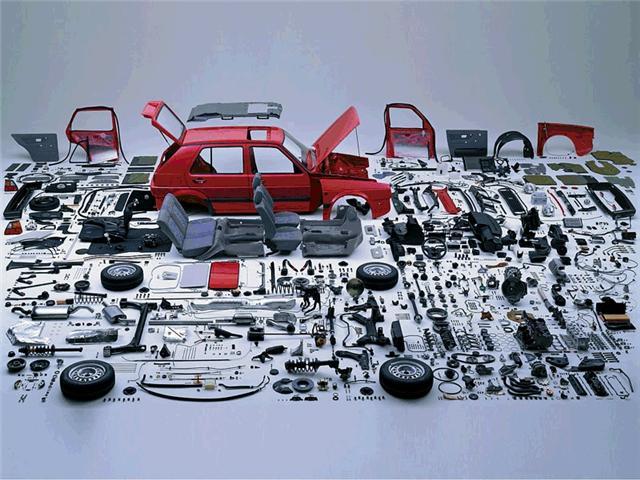
How will the Digital Product Passport facilitate traceability and how central will this traceability be in the fight against the illegal market?
The Digital Product Passport represents one of the most transformative tools of the new Regulation.
It will make it possible to link the following information to each component:
- origin;
- composition;
- technical data;
- repairs;
- disassembly;
- remanufacturing operations;
- lifecycle status.
For circular spare parts, this means greater trust, faster parts searches, interoperability between operators, and greater economic value for recovered components.
In addition, traceability will be central, because today the parallel market thrives above all where documentation, reliable identification and data interoperability are lacking. Of course, its effectiveness will depend on the actual interoperability of European systems and on the enforcement capacity of the authorities.
Will independent operators have access to the data?
This is one of the most delicate political issues. If control were to be centralized in the hands of OEMs, there is a risk of a dangerous reduction in competition and the marginalization of the independent aftermarket. For this reason, the role of networks such as Cyclus, industry associations and industrial consortia will be decisive.
How should distributors, spare parts dealers and workshops prepare today? What technological investments will be necessary?
Businesses will have to shift from a “physical warehouse” mindset to a “data-driven” one. Priority investments will therefore focus on advanced digital cataloging, identification systems (RFID/QR, etc.), interoperable e-commerce platforms, cybersecurity and data management.
The main priorities are:
- Digitization: smart catalogs, interoperability and data management;
- Technical skills: EV, electronics, batteries and advanced diagnostics;
- Certified processes: quality, warranty and traceability;
- Logistics integration: reverse logistics and return flow management.
Those who invest today will be able to position themselves as qualified operators in the automotive circular economy.

How can collaboration between car dismantler networks such as Cyclus and the repair sector create new revenue streams?
The collaboration between car dismantler networks such as Cyclus, carmakers and the repair sector paves the way for new value models along the entire supply chain. It is no longer just a matter of selling a spare part, but of building an integrated ecosystem in which the circular part becomes the starting point of a wider flow. On the one hand, the network of car dismantlers can guarantee the availability, selection and traceability of components; on the other hand, workshops and repairers can integrate them into maintenance and repair processes with greater reliability and standardization.
This type of integration enables new revenue streams linked not only to the sale of spare parts, but also to ancillary services such as reverse logistics, management of cores for remanufacturing, component selection and grading activities and digital brokerage platforms.
In this scenario, a network like Cyclus is well placed to become a strategic industrial hub, capable of efficiently connecting supply and demand for circular components and enhancing the entire spare parts cycle, from collection to reintroduction onto the market.