Cliente in officina per la manutenzione auto che parla con il meccanico per il preventivo
Navigating Fleet Complexity: CSM360 Data Reveals How Repairs, Spare Parts and Downtime Are Changing
More expensive claims, maintenance that takes longer and repairs that keep vehicles off the road for days. SICURAUTO.it exclusively analyses data from over 100,000 interventions managed by CSM360 to understand how fleet after-sales is changing and what challenges await workshops, spare parts dealers and aftermarket operators
More expensive claims, maintenance that takes longer and repairs that keep vehicles off the road for days. SICURAUTO.it exclusively analyses data from over 100,000 interventions managed by CSM360 to understand how fleet after-sales is changing and what challenges await workshops, spare parts dealers and aftermarket operators
For many years, talking about after-sales mainly meant discussing repairs and maintenance. Today this is no longer the case. The technological evolution of vehicles, the spread of ADAS systems, the entry of new emerging brands, the growth of electrification and an increasingly complex spare parts supply chain are changing not only how much it costs to repair a car, but above all how each individual file is managed. Procurement times, electronic diagnostics, availability of components, organisation of the service network and management of technical downtime are becoming increasingly important, especially in the world of company fleets and rental.
To understand the extent to which these changes can already be measured in day-to-day operations, as part of the 6th Aftermarket Report, SICURAUTO.it has exclusively analysed the data made available by CSM360 – Car Service Management 360, a company specialising in the management of after-sales processes for fleets and rentals, which coordinates hundreds of thousands of interventions every year through a national network of qualified repairers.
The analysis is based on a sample of over 100,000 interventions carried out on about 50,000 vehicles, consisting of 36% passenger cars and 64% light commercial vehicles. The fleet analysed also includes a growing share of electrified vehicles, equal to about 20%, and an already significant presence of emerging brands, which represent about 10% of the total. Numbers that make this observatory particularly representative of the transformations taking place in the fleet sector.
📊
This content is part of SICURAUTO.it’s 6th Aftermarket Report, titled: “The Aftermarket in the Era of European Regulations: Opportunities, Constraints and New Specializations”.
DATA ANALYSIS ON THREE MACRO CATEGORIES
The real news, however, lies not only in the size of the sample, but in the approach used to interpret it. Instead of looking at thousands of files as an undifferentiated whole, SICURAUTO.it and CSM360 decided to analyse three large families of interventions separately, highlighting how each is evolving according to profoundly different dynamics.
It is precisely this approach that provides a more accurate picture of the contemporary aftermarket. Because talking generically about “repairs” today risks hiding very different phenomena, which affect in different ways the operating costs of fleets, the organisation of workshops and the ability of the entire supply chain to guarantee ever-faster turnaround times.
One of the most frequent simplifications when analysing automotive after-sales consists precisely in considering all repairs as part of the same phenomenon. In reality, putting an accident-related bodywork repair, a scheduled service and a mechatronic breakdown on the same level means comparing activities that have completely different characteristics, times and critical issues.
For this reason, one of the most interesting aspects of the analysis carried out by SICURAUTO.it on CSM360 data was the choice not to observe the more than 100,000 interventions as a single whole, but to divide them into three macro-categories, each with its own indicators and evolutionary dynamics.
- The first category includes interventions following accidents, i.e. bodywork repairs and activities related to collision damage;
- The second includes routine maintenance and fast-fit work, including servicing, replacement of components subject to wear and tear and work normally characterised by short execution times;
- The third is dedicated to mechatronic breakdowns and non-routine maintenance, an area that involves increasingly sophisticated mechanical, electronic and electrical systems and today represents one of the fastest-growing areas in technical terms.
THERE IS NO LONGER JUST ‘REPAIR’, BUT THREE DIFFERENT ‘MARKETS’
It may seem like a simple methodological choice, but in reality, it completely changes the way we read the data. Looking at the three categories separately, it emerges that there is no single evolution of after-sales. Each type of intervention is following a different trajectory and poses specific challenges to operators in the supply chain.
In claims, for example, the average authorised repair amount is rising significantly, confirming a trend already observed in the insurance sector (see ANIA data).
In routine maintenance, on the other hand, the main concern is not so much the cost of the work as the progressive lengthening of the time needed to complete operations that until a few years ago were normally completed within the same day.
However, it is in mechatronics that the most profound change can be observed. The growing presence of on-board electronics, software, control units and driver assistance systems is radically transforming the way we approach vehicle diagnosis and repair, with direct repercussions on downtime and the organisation of workshop activities.
The three categories therefore tell three different stories, but they share a common element. Each of them, in fact, reveals a growing complexity in after-sales management, where the success of a repair depends only partly on the workshop’s technical skills and increasingly on the ability to coordinate spare parts procurement, network availability, skills, diagnostic tools and authorisation processes typical of the fleet world. And it is precisely by following this common thread that, in the following chapters, we will analyse how costs, turnaround times and availability of spare parts are evolving in the three main operational areas of the fleet world.
CLAIMS ARE BECOMING MORE EXPENSIVE: THE REPAIR MIX IS CHANGING
The fact that repairing a car costs more today than it did a few years ago is now well known to industry operators. The statistics published by ANIA have long shown a growth in the average cost of claims, attributed to the increase in the complexity of vehicles, the greater value of components and the increasingly widespread adoption of electronic systems and ADAS (which require recalibration).
The analysis confirms that the same trend can also be observed in the world of corporate fleets and rental, but adds a particularly interesting insight: the cost of repairs is not simply increasing, the type of repairs reaching workshops is changing.
In the sample analysed by CSM360, the average amount authorised for accident-related bodywork repairs rose from 1,114 euros in 2021 to 2,086 euros in 2025, an increase of 87.4% in four years.
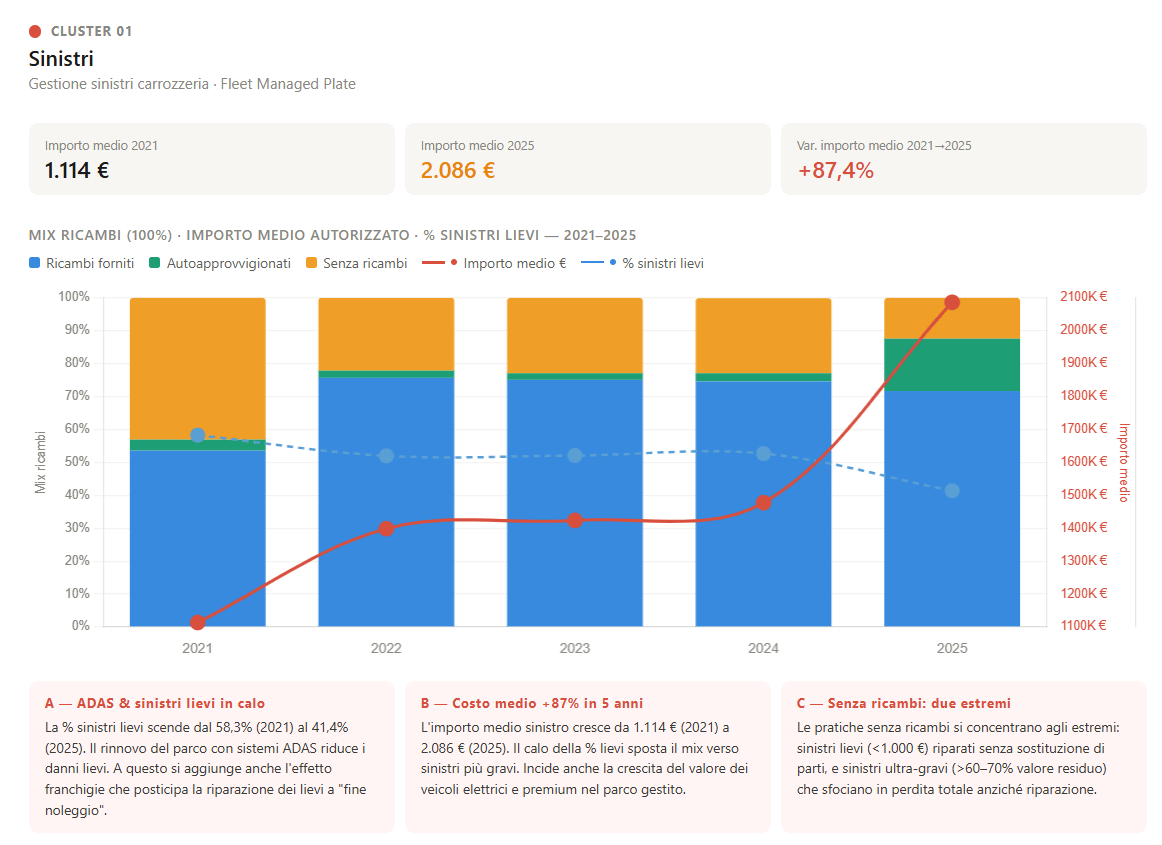
It is important to specify that the figure represents the amount actually authorised by the fleet, i.e. the value actually incurred by the customer at the end of the technical and economic assessment of the file. As is also the case in the insurance sector, the final amount may differ from the initial estimate prepared by the workshop, depending on assessments of whether the repair is cost-effective and which work is actually necessary. Although these are indicators built with different methodologies, ANIA and CSM360 therefore describe a convergent trend: the average cost of repairs following a claim continues to increase.
FEWER MINOR CLAIMS, MORE HIGHLY COMPLEX REPAIRS
The most interesting aspect, however, concerns the causes of this increase. According to CSM360’s interpretation, the phenomenon cannot be explained only by the increase in the cost of spare parts or labour. Above all, what has changed in recent years is the mix of files.
In fact, the spread of ADAS systems helps to prevent many of the low-speed impacts and minor rear-end collisions that until a few years ago represented a substantial part of bodywork activities. The files reaching the workshop today are therefore on average more complex and involve more extensive damage or vehicles characterised by a much higher technological density than in the past.
Added to this is the progressive renewal of fleet vehicles, with a growing presence of electric vehicles, hybrids and premium models, in which even apparently limited damage can affect radars, cameras, advanced headlamp units, lithium batteries or other electronic devices that require replacement, coding and subsequent calibration. In other words, it is not only the price of repair that is increasing: so is the technological value of what needs to be repaired.
“In recent years, we have observed a progressive transformation in the composition of bodywork files. The wider adoption of ADAS reduces the number of less serious claims, while the weight of more complex and technologically advanced repairs increases. It is an evolution that is inevitably also reflected in the average amount authorised.”
Simone Guidi, General Manager of CSM360
THE REAL EMERGENCY IS NOT THE COST OF REPAIR. IT IS VEHICLE DOWNTIME
For fleet managers, the cost of repair is now only part of the problem. Increasingly, the true economic impact is related to the time during which the vehicle remains unavailable, with direct effects on business continuity, the need for replacement cars and the overall cost of the service.
It is therefore not surprising that technical downtime is now considered one of the most sensitive KPIs in the entire service process. A perception also shared by operators in the sector: during the “NLT Workers” conference, organised by AgitaLab, 82% of respondents said that the increasing fragmentation of the maintenance process — with different parties involved in authorisations, the workshop, spare parts supply and logistics — contributes to increasing vehicle downtime, while 75% believe that this complexity also ends up reducing customer satisfaction.
During the same conference, Pierluigi Del Viscovo, Director of the Fleet & Mobility Study Centre, described the number of days a replacement car is used as “the primary gauge of after-sales efficiency“, reporting cases averaging 26-27 days a year, which he called “the symptom of many inefficiencies“.
An assessment also shared by Marco Girelli, Sales & Marketing Director of Alphabet Italia, who pointed out that longer downtimes are now heavily affected by the availability of spare parts. “I remember that a few years ago we were averaging 7-8 replacement-car days. Today I am struggling to get down from 17 days to something more reasonable,” he explained, noting that the entire sector is seeing a significant change in repair handling times.
The issue therefore does not only concern the speed of the workshop, but the efficiency of the entire supply chain that revolves around repair: authorisations, availability of spare parts, logistics, coordination between operators and communication with the end customer increasingly affect the overall duration of the technical downtime.
It is precisely in this context that the data shared exclusively by CSM360 take on particular value, because they allow the phenomenon to be observed not from a theoretical standpoint but by offering a concrete insight into the evolution of one of the most sensitive (and often kept secret…) KPIs of fleet after-sales.
CSM360 has also recorded an increase in downtime in recent years, but much lower than the market average — 40% lower — standing at about 12 days (on a like-for-like basis). This is the outcome of proactive actions and flexible management models, in particular in parts sourcing and in the qualitative selection of the repair network.
MECHATRONICS AND NON-ROUTINE MAINTENANCE EXTEND DOWNTIME
While claims show how the economic value of repairs is growing, looking at mechatronics and non-routine maintenance interventions, an even more significant phenomenon emerges for those who manage a fleet: the lengthening of the time needed to bring the vehicle back into service discussed above.
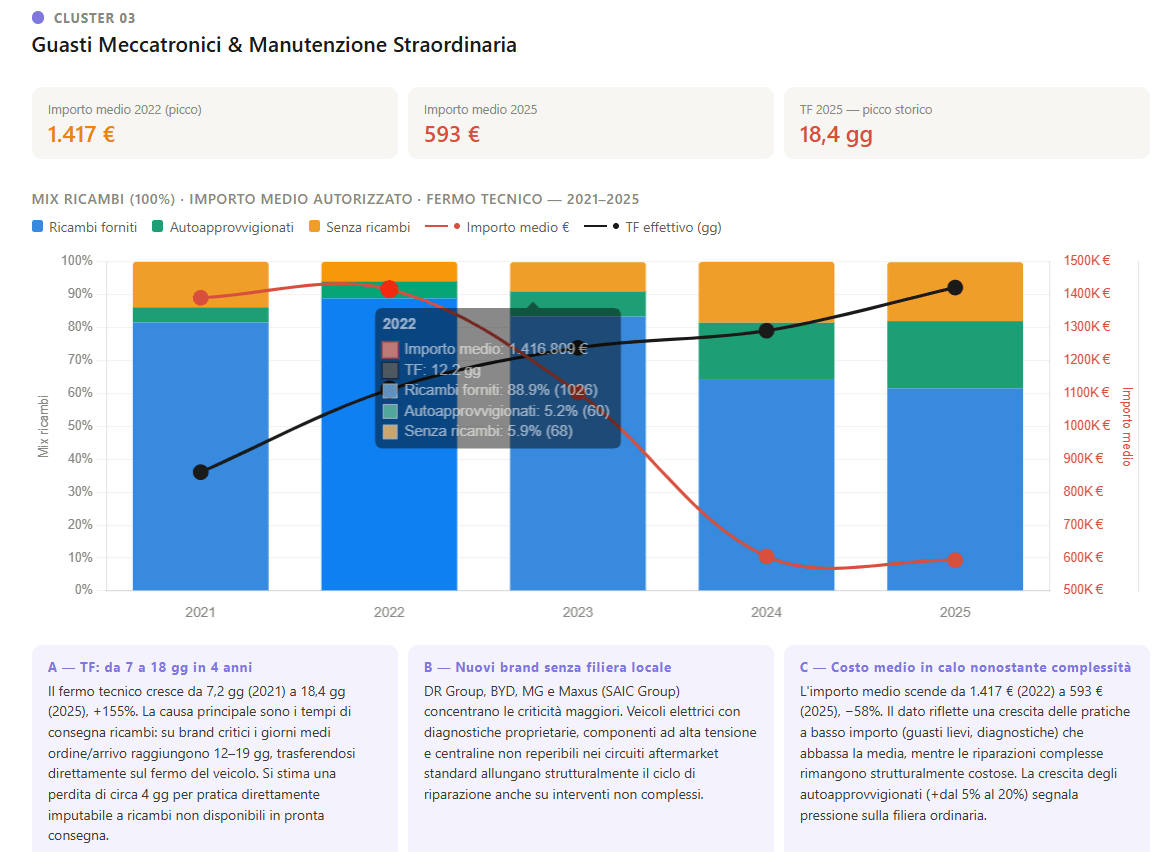
The data analysed by SICURAUTO.it, made available exclusively by CSM360, show an evolution that deserves particular attention. Between 2021 and 2025, the average technical downtime of this category rose from 7 to 18.4 days, an increase of more than 160%.
However, the figure must be interpreted correctly
The predominant component that affects technical downtime is mechatronic breakdowns, which have a particularly significant technical-repair impact on rental fleets (new vehicles, 1 to 3 years old). A further highly critical element is the work carried out by the Dealer network, which also affect the overall downtime, as the network is particularly congested, especially for some emerging brands in the rental sector.
It is important to underline that the technical downtime detected by CSM360 does not only measure the time spent in the workshop, but the entire management cycle of the file, from vehicle check-in to return. This figure therefore also includes authorisation times, which account for about 4 days on average.
For this reason, the data collected by CSM360 should not be read as an indicator referring exclusively to its own business performance, but as a concrete cross-section of the evolution of repair management times in a fleet market characterised by increasing technical, organisational and logistical complexity.
For a workshop, it means increasingly complex job management. For a fleet, however, it means something even more concrete: a vehicle that remains unavailable, with repercussions on operations, on the planning of activities and, in many cases, on the need to resort to replacement vehicles. This figure alone shows how much the nature of repairs has changed in recent years.
However, there is a second indicator that makes this evolution even more interesting. In the same period, in fact, the average authorised amount for mechatronic files fell from 1,417 euros in 2021 to 593 euros in 2025. At first glance, the two figures seem to contradict each other. If repairs cost less, why do they take so long? In reality, the CSM360 report suggests a very different interpretation.
In recent years, the number of interventions related to electronic diagnostics, ECU faults, malfunctions of driver assistance systems and other mechatronic failures has increased significantly. These are often less costly jobs than the large mechanical repairs of the past, but characterised by a much longer and more complex technical process. The result is an apparent paradox: the average value of the file decreases, while the time needed to complete it increases. Not because the repair is more expensive, but because it has become more complex to manage.
“The increase in mechatronic files is closely linked to the technological evolution of the vehicle parc. Diagnostic interventions and electronic anomalies are growing, often characterised by low amounts but longer management times, both due to the unavailability of components and the greater complexity of technical procedures.”
Simone Guidi, General Manager of CSM360
ROUTINE MAINTENANCE IS ALSO CHANGING
When we talk about after-sales transformation, it is natural to think of more complex repairs, such as accident repairs or mechatronic interventions. The data analysed, on the other hand, show that the change now also affects routine maintenance, an area traditionally considered the most standardised and predictable of vehicle servicing.
Scheduled servicing, replacement of components subject to wear and tear and so-called fast fit interventions are in fact activities characterised by well-established procedures and, at least until a few years ago, by extremely short downtime. Today, however, even these interventions are beginning to reflect the growing complexity of the vehicle parc. The most significant figure concerns the average downtime, which rose from 0.18 days in 2021 to 1.83 days in 2025.
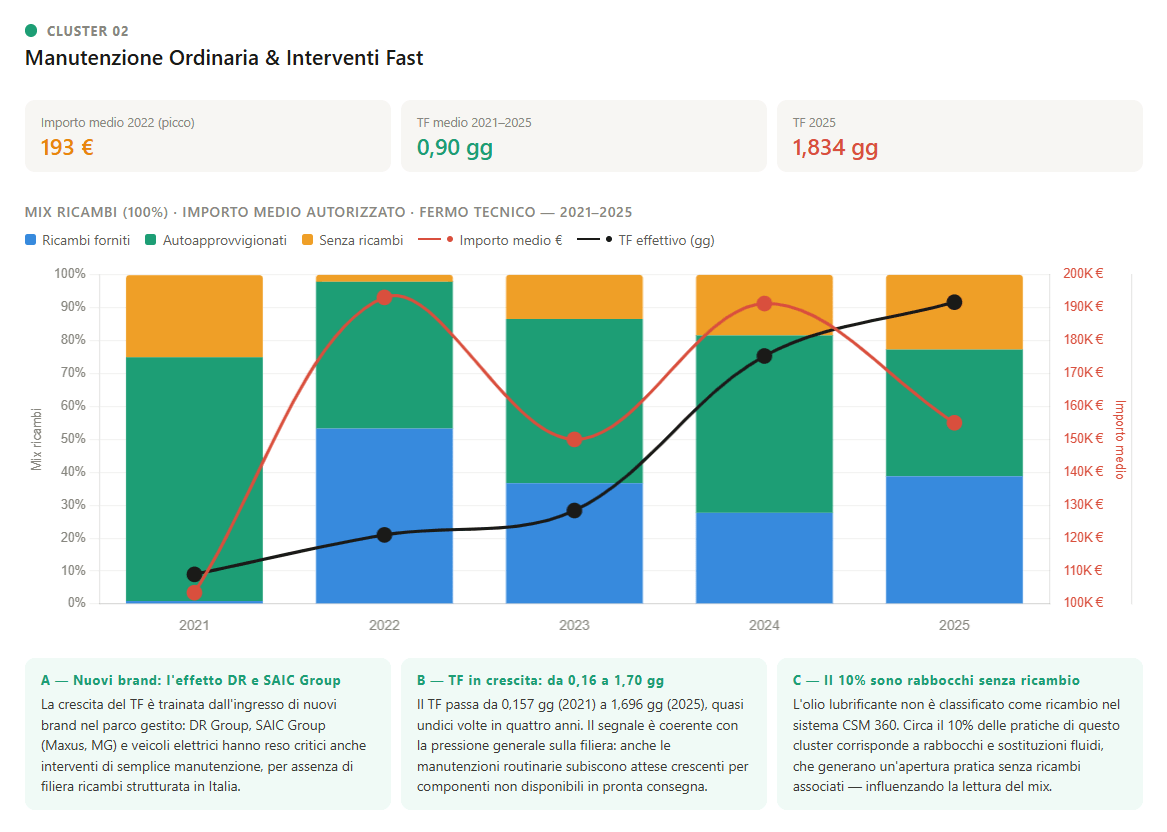
This is the most efficient category among those analysed by CSM360, but an increase of this magnitude suggests that even the seemingly simplest interventions today require more complex management than in the past. In other words, it is not the service that has become more complex. It is the context in which it is performed.
According to the CSM360 analysis, several factors contribute to this evolution. On the one hand, the number of electrified vehicles in fleets is growing; on the other, Emerging Brands are carrying ever greater weight, as they rapidly expand their presence on the European market and introduce new requirements in terms of the availability of spare parts (even simple filters), maintenance procedures and the organisation of the after-sales network.
“Routine maintenance also reflects the evolution of the vehicle parc. The increase in electrified vehicles and the growing presence of Emerging Brands make the after-sales system more complex, requiring an increasingly efficient organisation to maintain high service standards.”
Simone Guidi, General Manager of CSM360
For fleets, workshops and aftermarket operators, this is an important indication. Future efficiency will no longer depend exclusively on the ability to physically perform maintenance, but on the ability to manage spare parts, logistics, technical skills and process organisation in an increasingly integrated way. And it is precisely on these aspects that the main challenges Car Service Management 360 aims to address with its technologies and expertise are focused.
THE NEW BATTLEGROUND IS SPARE PARTS AVAILABILITY
The CSM360 data also show how spare parts management is evolving towards increasingly flexible models. Between 2021 and 2025, files handled with parts sourced directly by the workshop (self-procurement) increased by about 300%, from 600 to 2,393, while direct supplies have levelled off.
In this context, self-procurement is not a sign of supply chain problems, but a precise organisational choice of CSM360: when the workshop is able to quickly find the spare part through its own channels, CSM360 authorises its direct purchase, favouring the reduction of technical downtime over centralised supply management.
A choice that, in addition to speeding up the vehicle’s return to the road, makes the most of the repairer’s expertise and strengthens collaboration between all the players in the supply chain in the interest of the fleet. At the same time, the number of interventions completed without spare parts is also growing, a sign that some jobs are resolved without replacing components or requires different activities than those initially planned.
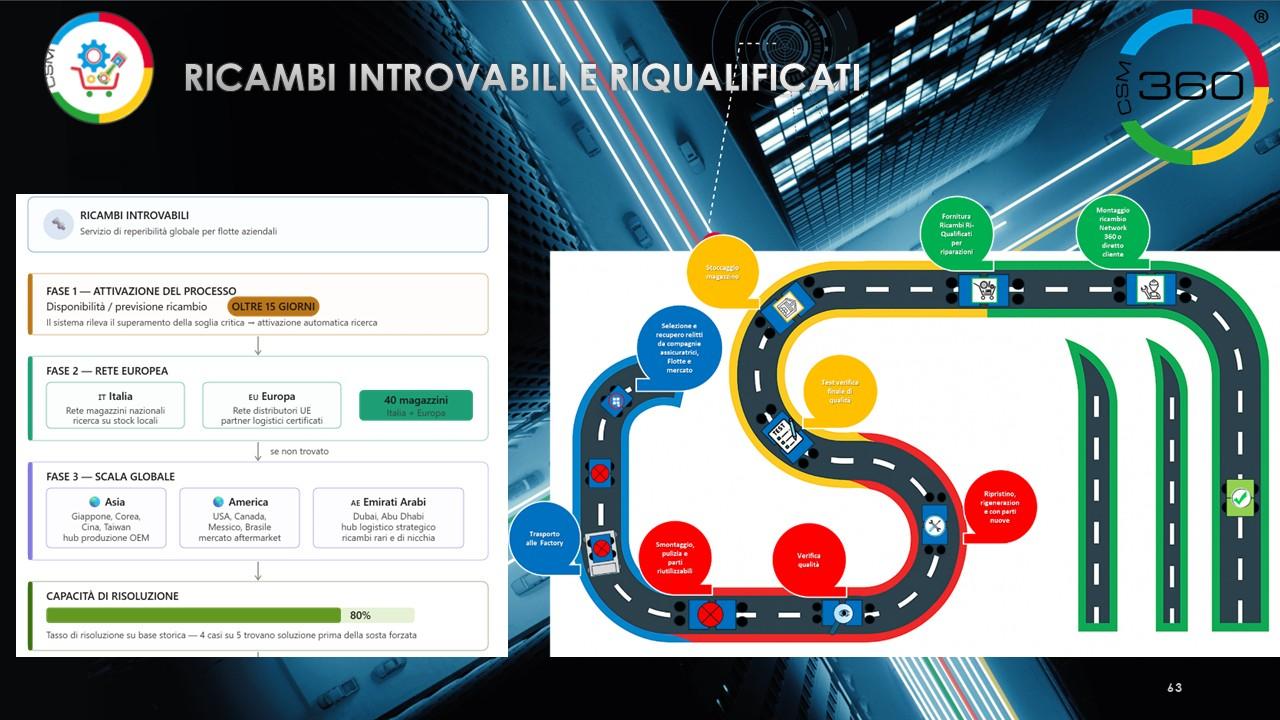
For the world of spare parts distribution, the issue is therefore not only about the price or list availability of the component, but the ability to rapidly source parts that are increasingly hard to find. The entry of emerging Asian brands, the expansion of electric vehicles and the limited presence of aftermarket components for these models are shifting the competitive value from simply selling the spare part to the management of the entire supply chain. It is no coincidence that CSM360 has combined traditional procurement with agreements with specialised distributors, OE suppliers, international sourcing channels and re-qualified spare parts, with the aim of reducing downtime and maintaining a high case resolution rate, which according to CSM360 data stands at about 80%.
EMERGING BRANDS AND SUPPLY CHAIN: THE REAL CHALLENGE WILL BEGIN WHEN THE VEHICLE PARC MATURES
The evolution of the European vehicle parc is not only changing the technical characteristics of vehicles. The structure of the after-sales market is also changing. In fact, alongside the established manufacturers, numerous Emerging Brands are rapidly increasing their presence, driving significant growth especially in the electrified powertrain and fleet segments. A phenomenon that, at least for the moment, still affects a limited share of the vehicle parc, but which according to CSM360 is destined to take on increasing importance in the coming years.
The sample analysed already includes a significant presence of these brands, which represent about 10% of the vehicles managed. A sufficient share to start observing some trends that deserve attention, while bearing in mind that the phenomenon is still in an early stage.
The critical issues observed do not necessarily derive from the technical characteristics of the vehicles, but from the maturity of the entire after-sales ecosystem that supports them. Every new manufacturer entering the European market must in fact progressively build a service network, develop efficient logistics for the distribution of spare parts, train technical staff and also create, over time, an independent aftermarket capable of supporting the official network (this phenomenon has been extensively analysed in the Emerging Brands Aftersales Special of SICURAUTO.it, ed.).
“The entry of new manufacturers represents a great opportunity for the market, but it inevitably involves a phase of adjustment of the after-sales system. The availability of spare parts, the organisation of the service network and the growth of the independent aftermarket will take time to reach the same maturity as the brands long established in the European market.”
Simone Guidi, General Manager of CSM360
MANAGING COMPLEXITY: THE CSM360 MODEL AND PROMISE
The analysis of the data shows how fleet after-sales is undergoing a transformation that goes far beyond the simple repair and maintenance of the vehicle as we knew it before Covid. Costs, downtime, availability of spare parts, organisation of service networks and increasing technological complexity now call for a very different approach than in the past. In this scenario, the role of those who manage the process becomes increasingly strategic.
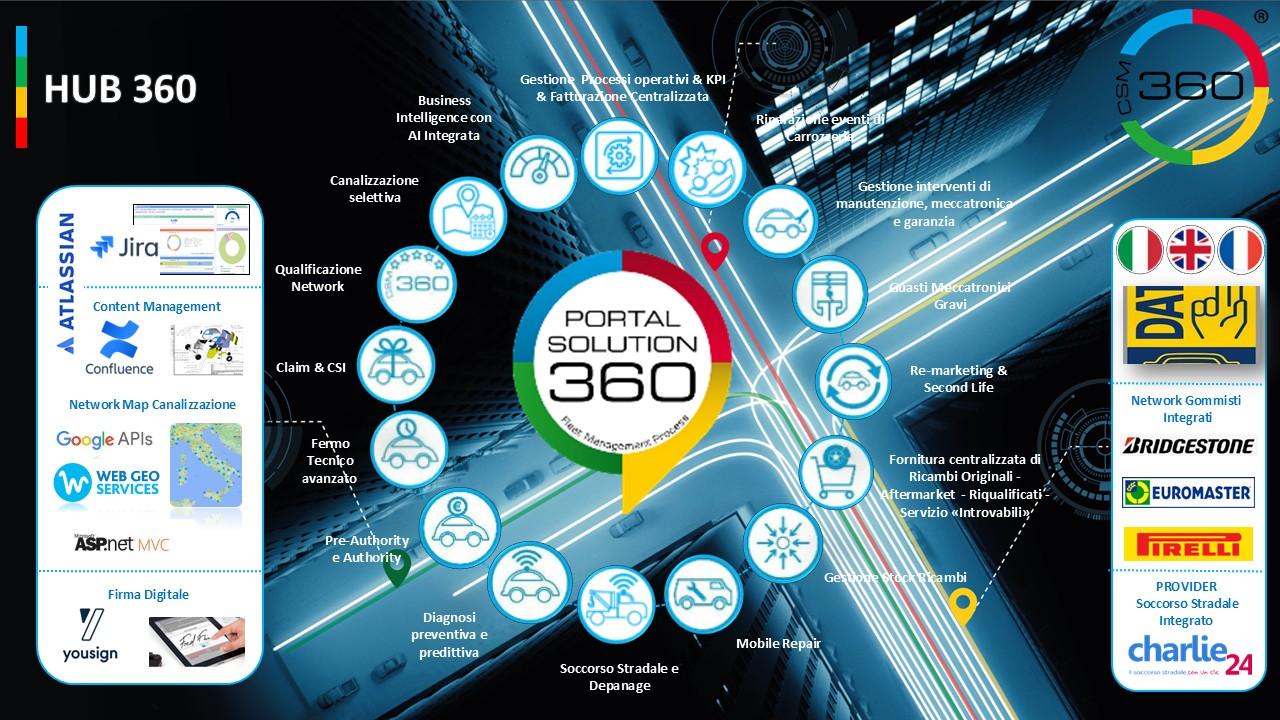
The experience gained by Car Service Management 360 stems precisely from this need: to transform thousands of operational files into a structured, monitorable process aimed at reducing downtime, while keeping costs, repair quality and service level under control. Rather than simply managing a single authorisation or a network of workshops, the model developed by the company is based on the integration of skills, data and digital tools throughout the entire life cycle of each file and vehicle.
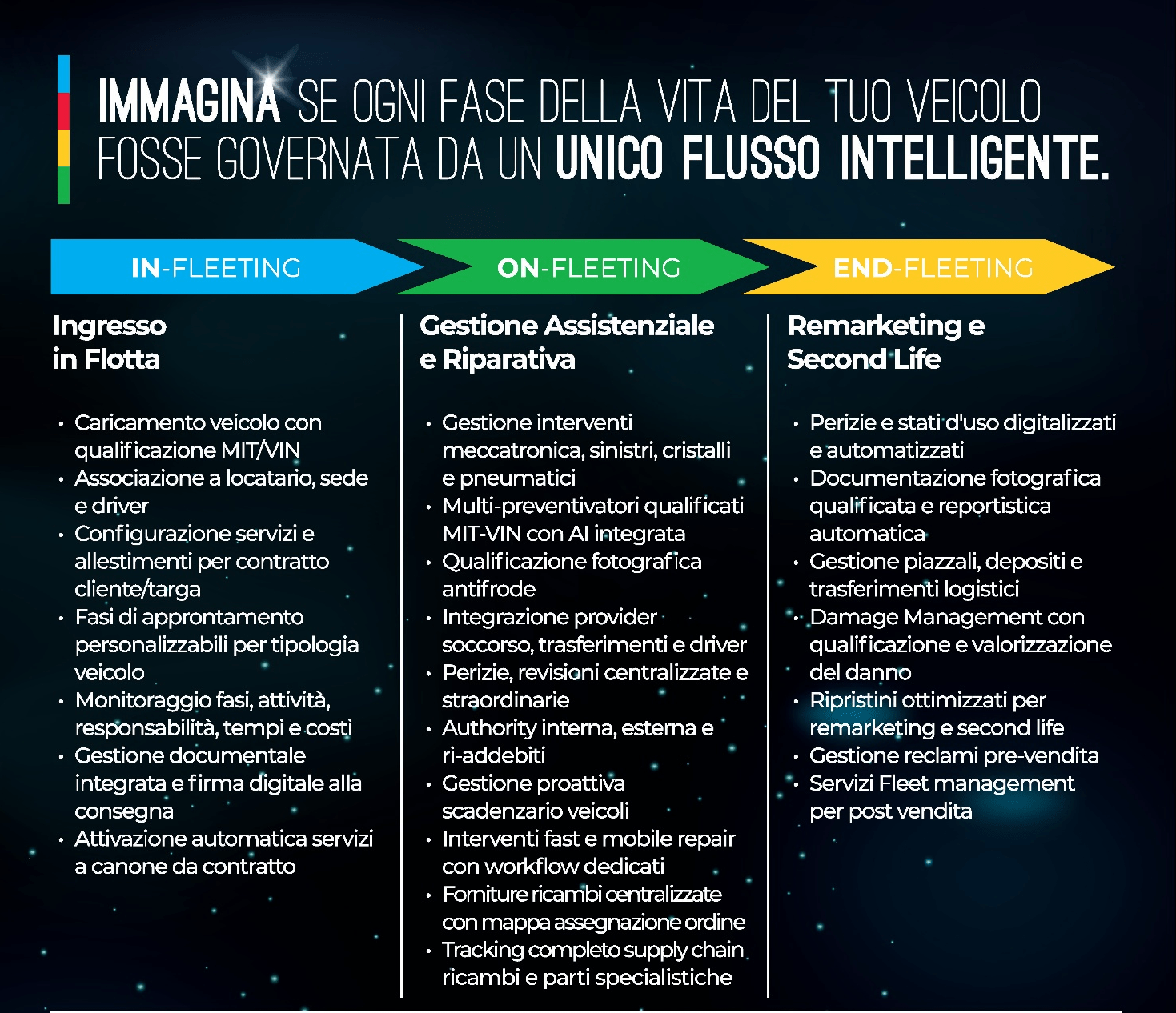
The heart of the CSM360 model consists in the coordinated management of the different phases that accompany each intervention. The technical analysis of the file, the verification of estimates, the control of authorised amounts, the monitoring of downtime, the coordination with the repair network (Network360) and the management of the supply chain are in fact addressed as parts of a single process, in which each phase directly influences the next. This approach makes it possible to intervene not only on the cost of repair, but also on the causes that can lead to slowdowns, inefficiencies or longer vehicle return times.
DATA AND KPIS TO IMPROVE DECISIONS
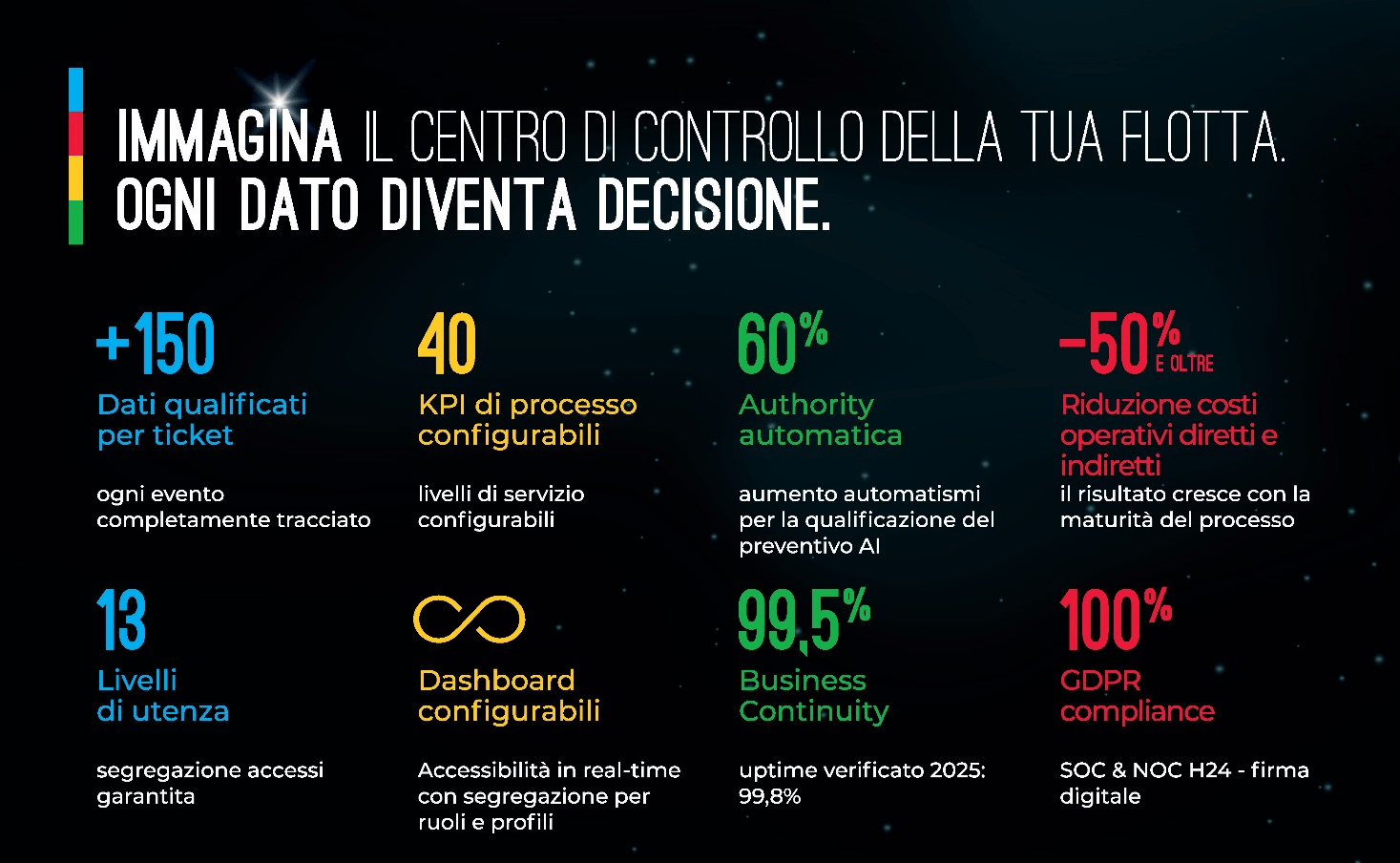
One of the distinctive elements of the CSM360 model is the ability to transform the information collected during the daily management of files into tools for analysis and continuous improvement. Through platforms such as BI360, the company constantly monitors indicators such as authorisation times, technical downtime, authorised costs, performance of service networks, availability of spare parts and trends across the different types of intervention.
The goal is to use these KPIs to identify operational issues and intervene throughout the process of managing the file. An approach that is also reflected in the results: despite the progressive increase in the complexity of the after-sales, the shared report shows that the actual technical downtime managed by CSM360 is 13 days and remains significantly lower than the market benchmark mentioned earlier, thanks to continuous monitoring and coordination of processes.
At the same time, the company also measures indicators such as the average authorisation time, which increased from 1.5 to 3.7 days between 2021 and 2025, precisely to identify the steps that require further optimisation. In this sense, the data analysed by SICURAUTO.it represent a concrete example of how the systematic observation of daily activities can be transformed not only into an operational control tool, but also into a useful knowledge base for interpreting the evolution of the entire aftermarket.
THE NETWORK AS A COMPETITIVE AND OPERATIONAL FACTOR ON THE GROUND
Another central element of the model is Network360, the network of qualified workshops and bodyshops coordinated by CSM360.
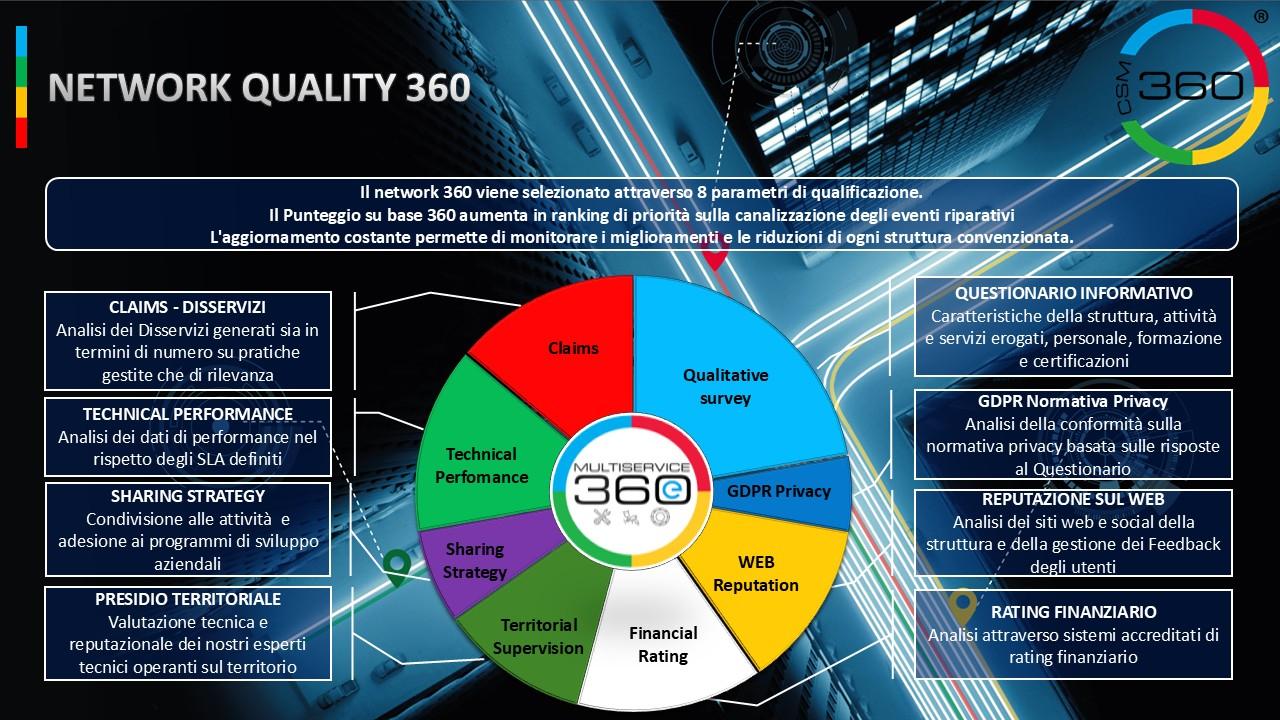
In a context in which the skills required are constantly increasing and the availability of spare parts is becoming an increasingly critical factor, being able to count on an organised network monitored through performance indicators is an important element in ensuring uniformity of service and reducing the time it takes to manage files.
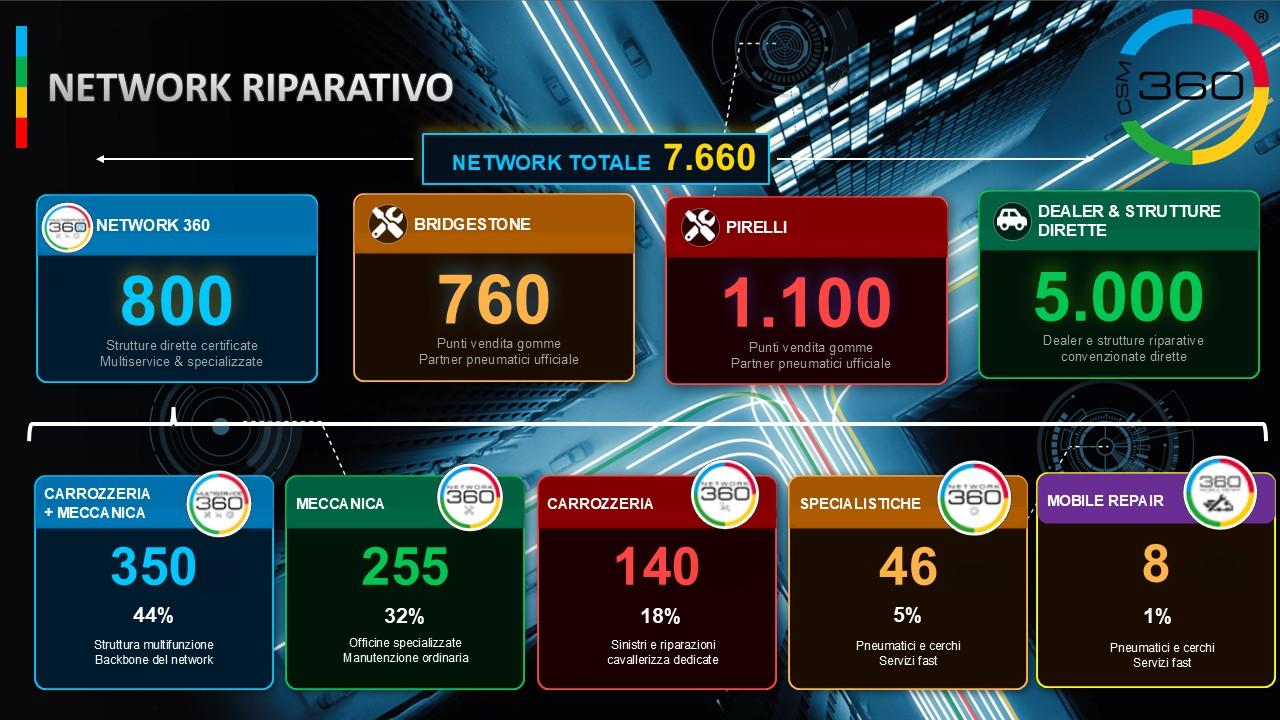
Repair quality naturally remains a fundamental requirement, but today it is no longer enough on its own. The ability to quickly coordinate all the actors involved in the process – fleets, repairers, spare parts suppliers and authorising bodies – becomes an integral part of after-sales efficiency.
“The evolution of the market is taking us from a logic focused on individual repairs to an increasingly process-oriented management. Today, reducing technical downtime means connecting data, skills, the service network and the supply chain, with the aim of making every stage of the file more efficient.”
Simone Guidi, General Manager of CSM360
FROM DATA TO KNOWLEDGE AND CHANGE MANAGEMENT
The analysis presented in this in-depth study shows how fleet after-sales is undergoing a much deeper transformation than the individual economic indicators suggest. The increase in the cost of claims, the progressive lengthening of technical downtime, the growing incidence of on-board electronics and the entry of Emerging Brands are different manifestations of the same phenomenon: the shift from repairs centred primarily on technical work to a model in which organisation, data and the ability to coordinate processes become competitive factors.
This is the context in which CSM360’s strategic role comes into play. The company does not limit itself to managing authorisations or coordinating a network of repairers, but collects and transforms the data generated daily by operational activities into useful indicators to monitor performance, identify critical issues and support faster and more informed decisions. It is precisely this wealth of information that has allowed SICURAUTO.it, as part of the 6th Aftermarket Report, to go beyond the simple reading of KPIs and develop an analysis capable of showing how fleet after-sales is evolving.